
The importance of the 450MHz LTE spectrum to modern communications
Jan Jesman – Panorama Antennas Technical Director
While communications technology is moving towards a high-frequency, high-bandwidth future, the benefits of lower frequency bands, particularly the 450MHz LTE spectrum, and their ability to complement higher LTE frequencies cannot be overlooked or understated.
With 450MHz networks now deployed or on trial across more than half of all countries worldwide, serving over 4.2 billion people, the spectrum is already a critical part of the global communications network and will only grow in importance in the years to come.
The 450MHz LTE spectrum complements its higher-frequency counterparts by supporting lower-data applications such as remote monitoring and voice communications, while higher-bandwidth networks handle the more data-heavy use cases like telemedicine, autonomous vehicles and video transfer, streaming and sharing.
Originally used in the 1980s and 1990s for first-generation mobile networks, the band is now returning to prominence as a highly reliable, cost-effective and long-range connectivity solution.
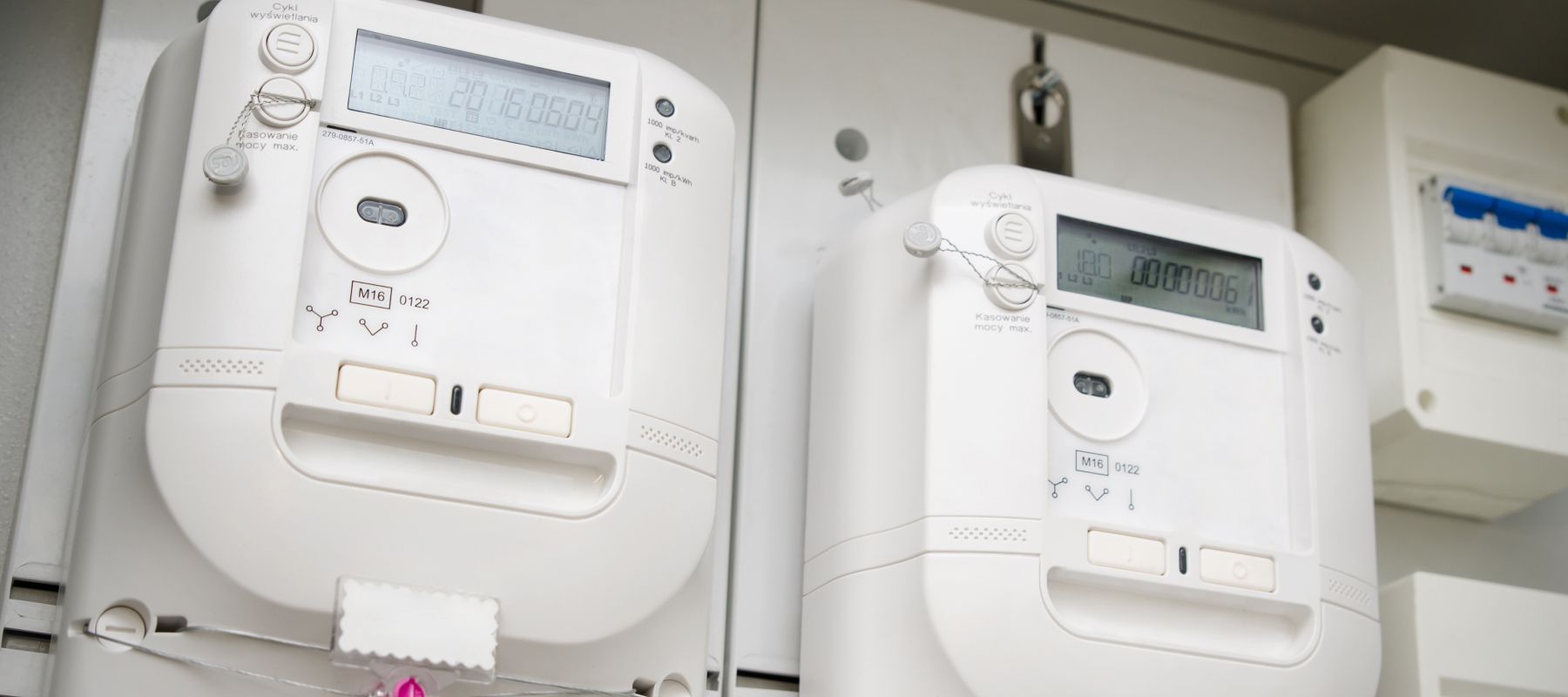
From utility networks to public safety, smart meters and the smart grid, the 450MHz band is the natural choice for mission-critical applications and is set to serve as the communications backbone of these modern technologies.

Reliable long-range coverage, high penetration
Arguably the most important factor in the value of the 450MHz band is its reliable, long-range coverage capabilities.
Longer wavelengths mean signals travel significantly further than other higher-frequency bands, with a single 450MHz base station providing almost three times the coverage of an LTE 850MHz station.
This coverage rate enables connectivity across large areas with fewer sites, making it especially effective in rural and remote regions especially.
Germany is the perfect example of the effectiveness of the band, with just 1,000 450MHz radio sites now connecting approximately 90% of the nation.
Complementing the spectrum’s expansive geographic reach are its propagation characteristics.
Lower-frequency radio waves can pass through obstacles such as walls, trees, changing terrain and even underground structures far more effectively than higher-frequency alternatives.
This penetration ensures the spectrum is an effective solution in typically challenging, built-up deployments like those for smart metering and the smart grid where equipment is often located inside buildings or even in basements.

Low-maintenance, low-cost
Coupled with these efficiencies is a lower lifetime cost profile.
As a single 450MHz base station covers a much larger geographic area than its higher-frequency counterpart, less time and money need to be spent on installation, ongoing maintenance and site rental or acquisition costs.

Diverse applications across industries
The potential use cases of the 450MHz band are broad and varied.
For smart metering, smart grid and utilities applications, the spectrum presents a reliable, wide-area, ‘always-on’ solution, enabling real-time monitoring and remote control of assets.
450MHz also enables industries like transport, manufacturing and agriculture to attain large-scale, constant connectivity and the benefits that come with it.
Complement, not compete
While the 450MHz spectrum is a low-cost, low-maintenance and long-range coverage solution on its own, its value increases significantly when applied alongside higher-frequency bands.
With a 450MHz installation providing a resilient, widespread coverage layer, as well as a failover solution, higher-frequency bands can service more data-intensive applications to offer greater capacity and resilience.
Our solutions
Panorama Antennas manufactures an industry-leading range of antennas with multiband capacity, providing a single solution capable of servicing both lower frequency bands, such as 450MHz, and higher frequency bands.
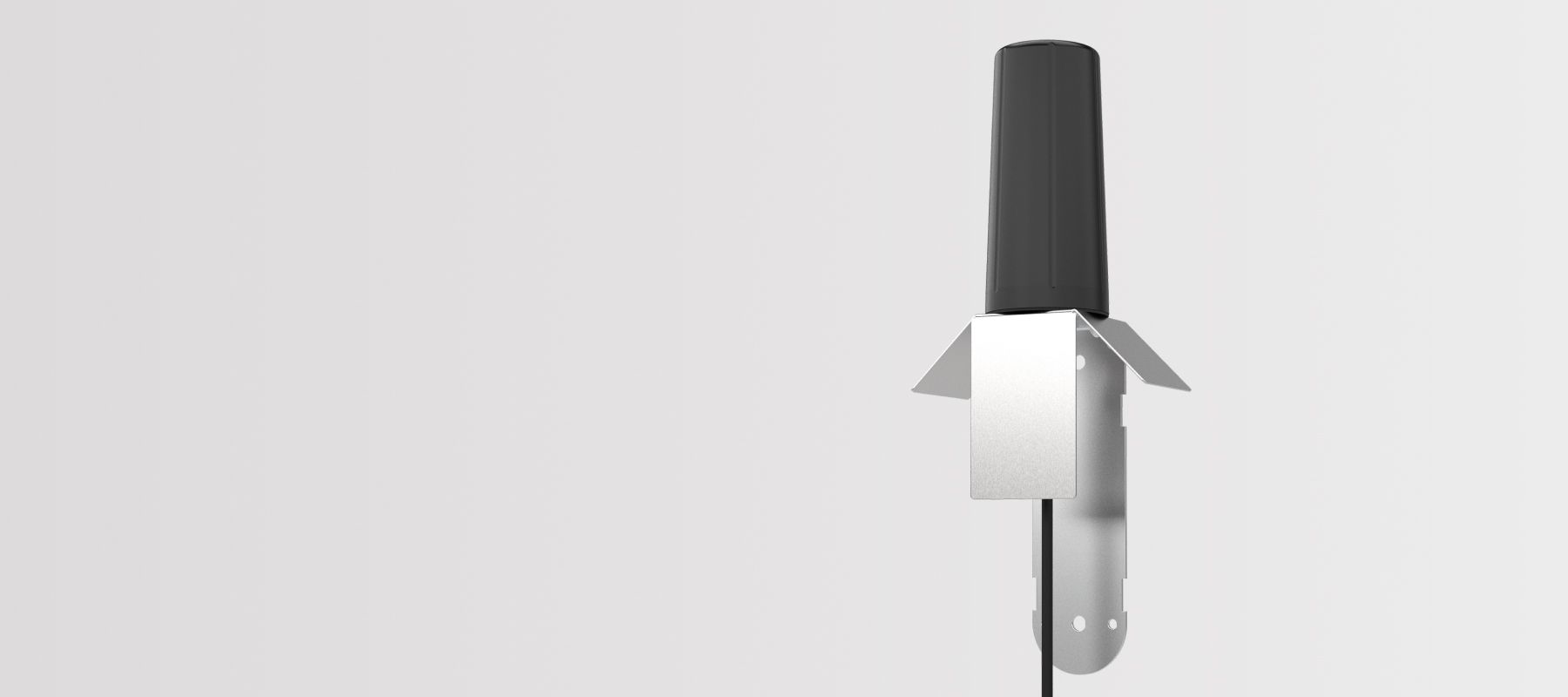
Our B4BE-460-6-60 antenna is a robust and low-profile panel or bracket-mount antenna that covers 450MHz LTE, along with the full range of higher frequency global cellular network bands on a single feed.
This compact and unassuming product is suitable for external deployment in challenging environments and when wall or pole-mounted on the supplied bracket, can provide omni-directional fixed-site coverage for smart grid infrastructure, connected devices and other endpoints.
Fitted with low-loss cable, it’s easy to install and tough enough to last for the lifetime of the installation, while a magnetic or adhesive variant is also available for temporary fitment.
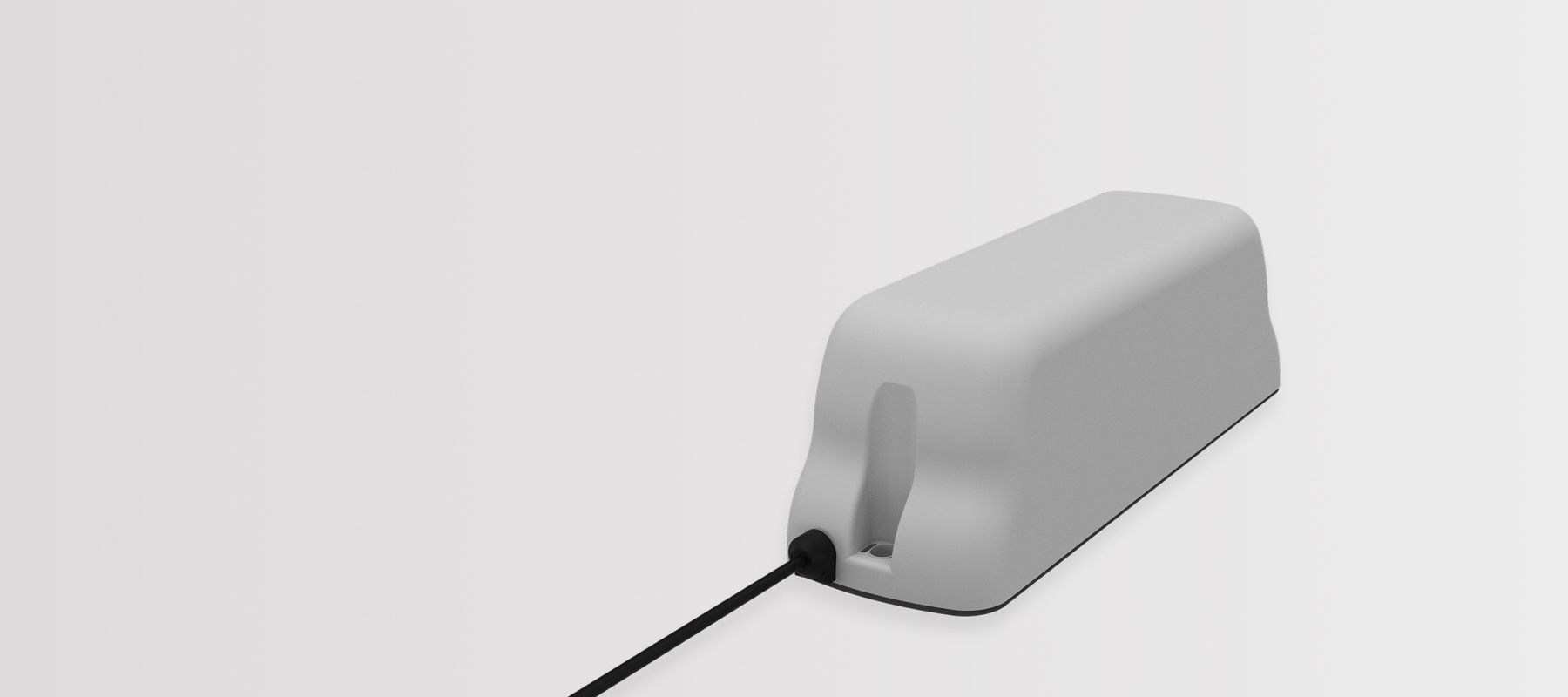
For smart metering or lower-cost applications requiring a solution with even less visual impact, the LPA[L]-460-7-42 represents an ideal alternative while still covering 450MHz LTE and higher frequency cellular network bands on a single feed.
This antenna can be mounted on device enclosures, meter boxes or even remotely on a wall or pole thanks to its versatility and comprehensive mounting options.
Offering an adhesive pad, screw-mounting positions or cable tie options, the antenna is flexible enough to cover all possibilities and can also be mounted on conductive or non-conductive surfaces.
The antenna supports a range of cable types, from lower-loss options for longer cable runs to cables thin enough to pass through enclosure door seals, allowing installation without drilling a hole.
Both solutions are designed to allow quick and easy installation and maximise first-time connection rates, minimising time on site and repeat visits.
Each offers a one-size-fits-all solution for 450MHz applications, allowing a smaller portfolio of antennas to service the greatest number of requirements and make use of this highly efficient, cost-effective and increasingly prevalent band.
If you’d like to know more about how our range of antennas can fulfil your connectivity needs, get in touch with our team of experts.