
RFBENCHMARK Advances LTE450 Site Acceptance and Network Verification
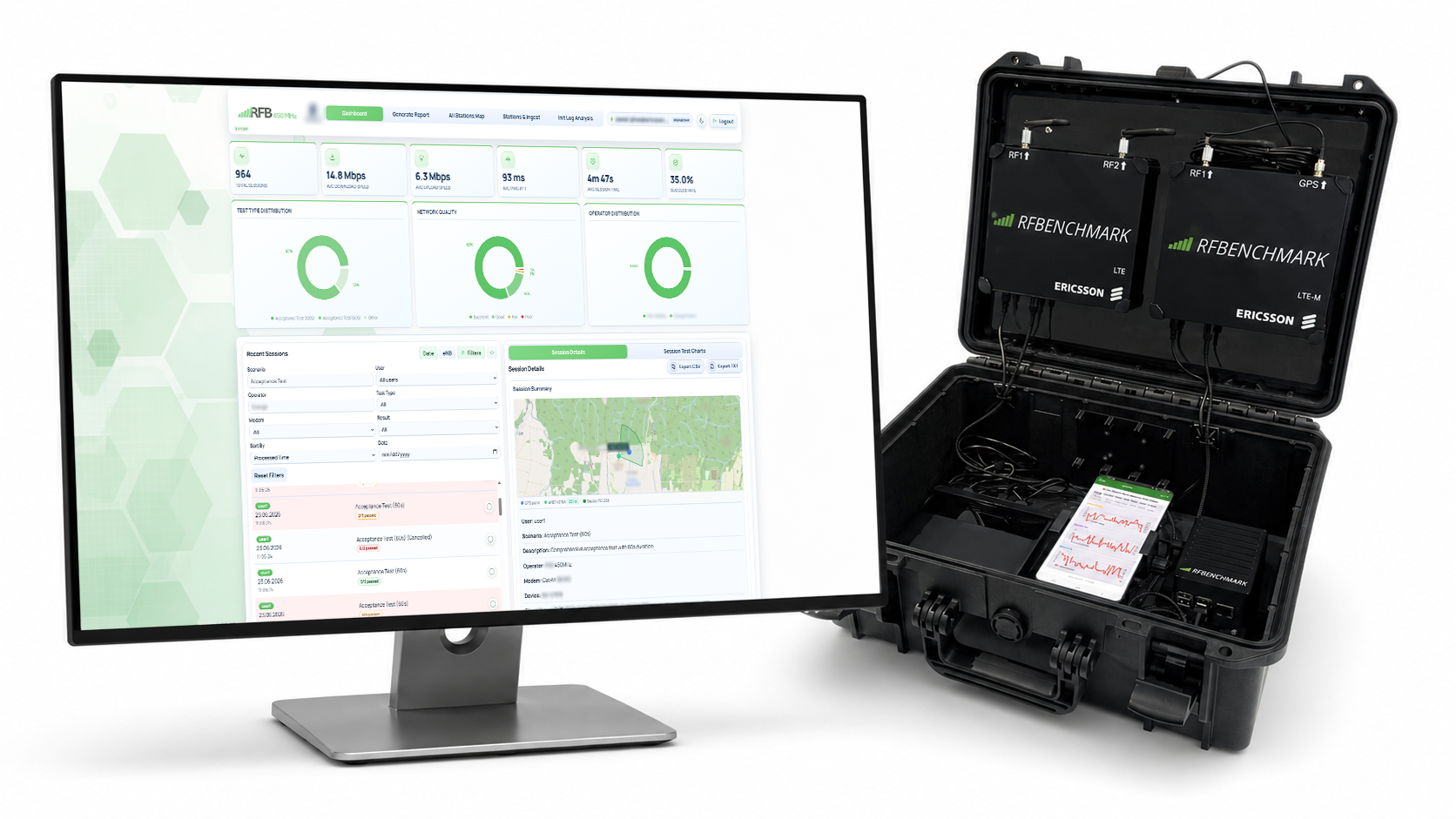
RFBENCHMARK’s latest Hardware Case LTE450 combines a new microPC-based architecture, parallel multi-modem testing, browser-based remote operation, and advanced analytics to support faster and more consistent site acceptance and network verification for utility and critical infrastructure networks.
RFBENCHMARK’s Hardware Case LTE450 is designed as an end-to-end testing platform supporting site acceptance testing, drive and walk testing, continuous network verification, and reporting within one workflow. The solution builds on the company’s experience in objective network quality evaluation and extends that approach to LTE450 environments, where dependable field validation is especially important for utility-grade and mission-critical operations.
 In its latest version, the platform introduces a microPC-based system controller that simplifies modem connectivity and removes dependency on rooted devices. Standard commercial smartphones or tablets are used for control and connectivity, which helps streamline field deployment. Support for parallel multi-modem testing further improves measurement efficiency and can shorten site acceptance cycles. The compact, low-power design also supports extended battery operation, while browser-based remote access enables test control, local result review, software updates, and offline operation when internet access is limited.
This broader field flexibility also makes the platform suitable for unattended measurements, automated drive testing, and selected drone-based coverage validation scenarios.
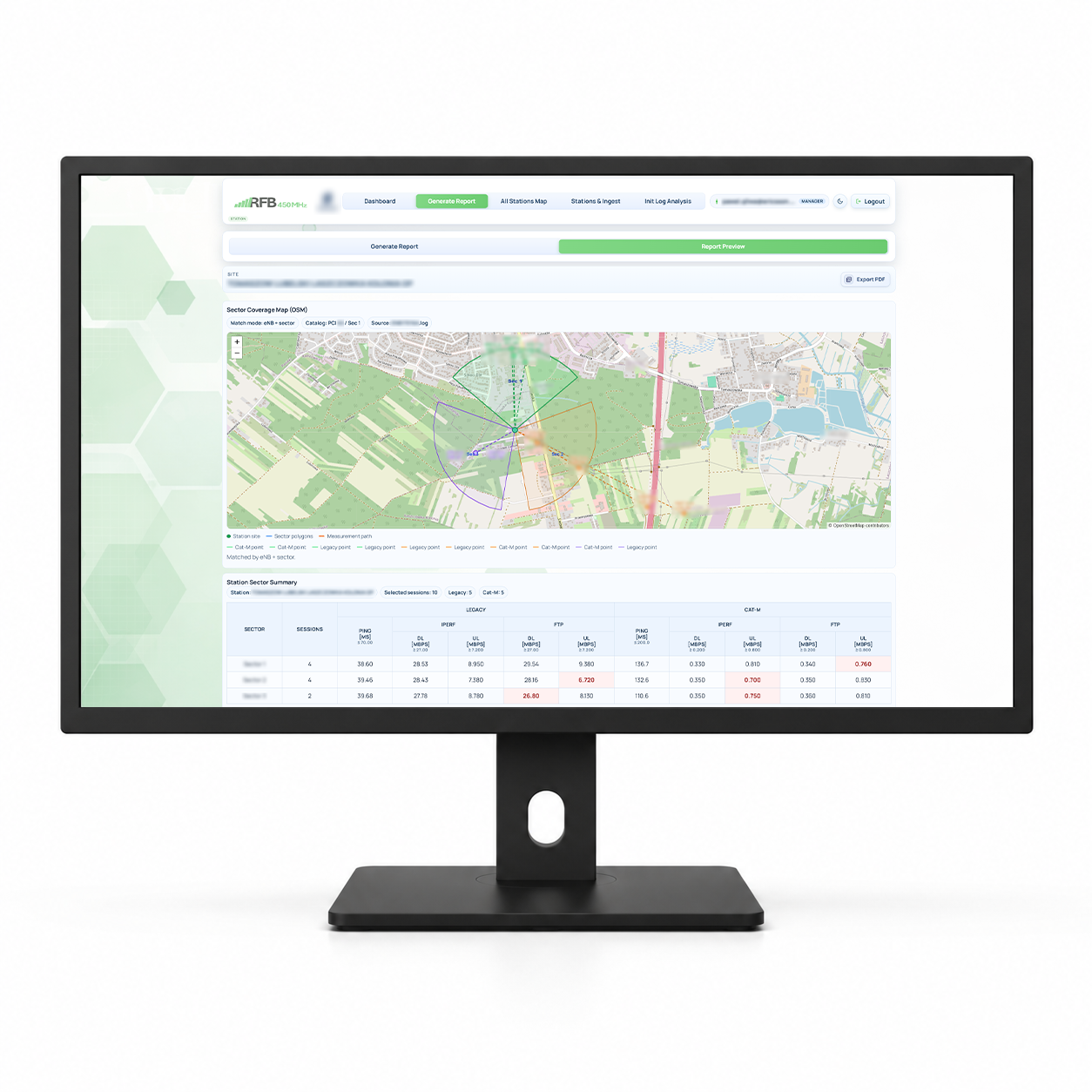
On the analytics side, the solution combines real-time visibility with customizable dashboards, instant PDF reporting, and automated KPI compliance checks for parameters such as signal strength, throughput, and latency. The updated analytics layer also supports faster issue identification by combining measurement data with engineering context, helping teams detect configuration anomalies, hardware-related problems, and other field issues earlier in the acceptance process. In practical terms, this supports faster reporting, clearer pass/fail decisions, and more efficient troubleshooting across sites, regions, and wider network footprints.
The solution strengthens an important operational layer between network rollout and ongoing service assurance. For utilities, infrastructure owners, and system integrators, the value is clear: more repeatable field verification, better engineering visibility, and a more efficient path from measurement to acceptance and corrective action.